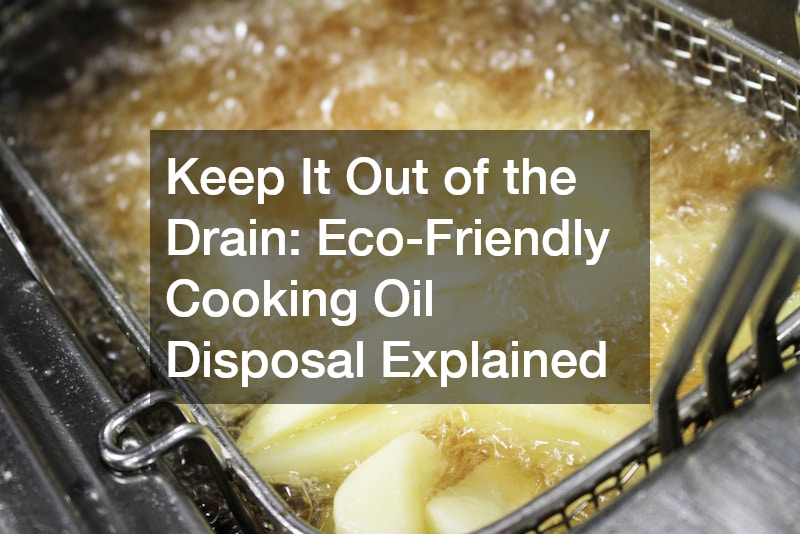
In a world that increasingly values sustainability, finding responsible ways to dispose of household waste is imperative. One of the most overlooked yet crucial aspects of eco-friendly living is the disposal of cooking oil. Proper cooking oil disposal not only promotes environmental well-being but also prevents costly plumbing issues. This article explores various methods to manage used cooking oil efficiently and sustainably.
Let’s delve deeper into the significance and techniques of cooking oil disposal.
Understanding the Environmental Impact of Cooking Oil
Every year, households generate gallons of used cooking oil, which can have detrimental environmental effects if not handled properly. When cooking oil is poured down the drain, it solidifies and forms clogs in the plumbing systems. This leads to expensive repair costs and increases the risk of sewage overflows. Furthermore, these blockages can severely damage local water systems, impacting both wildlife and humans who rely on them.
Disposing of cooking oil incorrectly also contributes to water pollution. When oil slips past the plumbing systems into larger water bodies, it forms a film on the surface, preventing oxygen from reaching aquatic life. This can result in the death of plants and animals that are critical to the ecosystem. Moreover, the degradation of water quality impedes recreational activities and potable water supplies. Thus, understanding the implications of cooking oil disposal is crucial in fostering an environmentally responsible lifestyle.
It is equally essential to recognize the role of education and awareness in mitigating the environmental impacts of used oil. Many individuals are unaware of the huge carbon footprint they unintentionally create by improper disposal practices. Community initiatives can spread awareness on efficient cooking oil disposal and promote sustainable actions. Implementing simple eco-friendly practices can significantly reduce the adverse effects on the environment, benefiting both the planet and future generations.
Effective Methods for Cooking Oil Disposal
One effective method of cooking oil disposal is solidification. By allowing the oil to cool and solidify, it can easily be scraped into a container and disposed of in the trash. This method prevents oil from being discarded down the sink, safeguarding pipes and the broader plumbing infrastructure. By using a container like an empty jar or coffee can, you create a convenient way to dispose of solidified oil alongside regular waste. Solidification also provides an opportunity to recycle your containers, adding another layer of eco-friendliness.
Another sustainable method is reusing or recycling the oil. If filtered appropriately, used cooking oil can be reused for another cooking session, especially if it’s been used for frying. This not only cuts down on waste but also saves money by reducing the need to buy new cooking oil frequently. Furthermore, local recycling centers often accept used cooking oils to convert them into biodiesel, a cleaner, more efficient energy source that cuts down on greenhouse gas emissions.
Additionally, many communities offer special disposal containers for used cooking oil, often located at recycling centers or near grocery stores. These services allow for safe disposal and take the responsibility off individuals to find ways to get rid of their cooking oil. It’s vital to check local guidelines regarding recycling and disposal, as they can vary widely. Engaging with these community resources not only supports personal sustainability efforts but also fosters a collective approach to environmental responsibility.
Why Proper Cooking Oil Disposal Matters

Proper cooking oil disposal is paramount in reducing its adverse effects on the environment. Unlike other forms of waste, oil can cause significant pollution that disrupts ecosystems when mishandled. Implementing effective disposal practices reduces the likelihood of plumbing damage, safeguarding both residential infrastructure and public waterways. This preventive approach augments sustainability efforts, aligning with broader environmental goals and showcasing individual responsibility.
From a financial standpoint, appropriate disposal techniques save money in the long run. Reducing plumbing issues and preventing the need for major home repairs can equate to significant savings. Additionally, communities can avoid spending on cleanup efforts after an oil-induced environmental accident. In this way, economic benefits add to the incentive for responsible disposal behaviors. Therefore, small conscientious efforts can yield considerable savings and improvements for both individuals and the community.
Lastly, ethical and community aspects revolve around the importance of proper cooking oil disposal. By practicing environmentally friendly waste management, individuals contribute to the health and well-being of their community. This instills a sense of communal responsibility and enhances a green culture that can influence others to adopt sustainable practices. Nurturing an eco-conscious mindset is vital for promoting healthy community living and supporting global efforts in combatting environmental conflict.
Responsibly managing cooking oil disposal is a pivotal step in leading an environmentally sustainable lifestyle. It’s important to explore various disposal methods and utilize available resources to mitigate cooking oil’s negative impacts. By understanding its environmental ramifications and taking proactive measures to dispose of or recycle cooking oil correctly, individuals can effectively contribute to the planet’s well-being. Such actions reflect a commitment to sustainability and showcase the power of individual choices in fostering a greener, cleaner world.